

Among all the CBD products currently dominating the European market, the one that is undoubtedly gaining the most popularity is the so-called light cannabis. It is regular marijuana, that is, buds, but instead of containing high levels of tetrahydrocannabinol (THC), as is usually the case, they contain only a minimal amount that rarely exceeds 1%.
Therefore, this marijuana with a high percentage of CBD does not produce mental effects such as euphoria or psychedelic sensations. In short, these are perfect varieties for relaxing, recovering sleep or appetite, without experiencing any kind of high.
This has made it the preferred type of marijuana for those who want to combat certain health problems through cannabis.
It is on this side of the Atlantic, in Europe, where a true craze for "light" cannabis has taken place. Countries such as Italy, with relatively lax legislation on the matter, have not been able to cope with the enormous demand that has emerged in society. Others, such as Switzerland, have decided to lead the revolution by decriminalizing this type of cannabis and establishing themselves as one of the largest producers in Europe.
The Italian Disobedience 'Boom'
The green gold rush in Italy erupted in 2016, when the law regulating hemp production came into force, a set of rules that helped revive hemp cultivation, which was once quite widespread in the transalpine country.
In 1940 it was said that Italy was the second largest producer of industrial cannabis, after the Soviet Union. Industrial hemp contains very low levels of THC and its fiber is used for the textile, food, paper, and construction industries, among others.
When hemp cultivation was regulated, a legal loophole emerged, since farmers could sell hemp flowers by stating that they were not for consumption but rather for "collectors." From this came an unprecedented boom: hundreds of franchises took off selling buds with labels stating that they were not suitable "for smoking or eating."
Suddenly this "light" cannabis, which in Italy cannot exceed 0.6% THC, filled shops across the country: its consumption was ten times higher in 2017 than in 2013.
It was a massive phenomenon of civil disobedience that was generating a new economy and new jobs, while contributing to the normalization of cannabis.
Currently, thousands of Italians go to buy this “light” marijuana in pharmacies, grow shops, hemp shops or tobacco stores (and now even in some gas stations and vending machines) to calm the symptoms of their illnesses and ailments.
On the other hand, the demand for cannabis with THC was so high that the government had to import it from the Netherlands and Canada, while the depletion of supplies pushed many citizens toward the black market or to cultivate it illegally.
Italy was the second largest producer of industrial cannabis, after the Soviet Union.

Switzerland has become one of the pioneering nations in decriminalizing light cannabis.
These years of confusion, however, have not helped move forward with more open legislation in Italy, and with the new administration of Giorgia Meloni (Fratelli d’Italia), the situation has unfortunately worsened with the new Citizen Security Decree-Law approved by the Italian government on April 4, 2025, which imposes severe restrictions that will directly affect the industrial hemp sector and CBD products.
The text includes the controversial Article 18, which prohibits the import, production, processing, distribution, commercialization, and delivery of the inflorescences of Cannabis sativa L., including CBD flowers, CBD resins, and CBD oils, regardless of whether they comply with the legal THC limits.
Switzerland, Leading Europe
The Swiss country has become one of the pioneering nations in decriminalizing light cannabis. Since 2016, buds can be purchased in tobacco shops and grow shops, as long as they do not exceed 1% THC. During these years, 'light' cannabis has become normalized to the point that people feel no hesitation in acknowledging themselves as regular consumers.
This regulation has also helped generate a new economy around it. Especially in the production sector, where large companies have flourished in response to the growing demand. These companies operate several greenhouses where thousands of plants with CBD-rich genetics are cultivated. Switzerland was quick to anticipate other countries with 'light' cannabis, since demand is increasingly growing in Europe, and Swiss companies are among the best positioned in the market to begin exporting when other countries require their products.
In fact, the German supermarket chain Lidl has decided to enter the Swiss cannabis market by selling 'light' marijuana buds. Produced by the Swiss company The Botanicals, this low-THC cannabis can be found on the shelves of any Swiss Lidl store. A 1.5-gram box costs 18 francs (€15.5), while the 3-gram version is priced at 20 francs (€17.2).
Fortunately, the case of Switzerland is noteworthy not only in this field, but also in the field of recreational cannabis regulation, with numerous local and cantonal plans aimed at decriminalizing it.
France: A Case of Its Own
In France, one of the European countries with the most restrictive legislation, authorities once decreed that: “as long as cannabis contains no more than 0.2% THC, regardless of whether it is presented in dry form, oils, or any other format, the product is not subject to drug laws.”
For this reason, many businesses have already been launched in France to commercialize products that meet these conditions.
Given the commercial success achieved by these types of businesses, former French Health Minister Agnès Buzyn—later charged by French courts for “endangering the lives of others” during her management of the coronavirus pandemic, which began while she was still leading the health ministry—once claimed that these stores, or grow shops, were exploiting a loophole in France’s strict anti-drug legislation. She even pledged at the time to shut them down, denouncing the establishments as a threat to public health with the rather absurd argument that they encouraged people to consume drugs.
Faced with such weak arguments, it is hardly surprising that she ended up being charged, although, as often happens in such cases, the French Supreme Court ultimately annulled the indictment. 😊
Despite the French case, the situations in Italy and Switzerland clearly show that light cannabis is likely to become the spearhead of cannabis liberalization in Europe.
We already have large companies such as Lidl producing this type of marijuana and placing it on Swiss shelves—and probably soon on German ones as well—something that would have been unthinkable just a few years ago.
We will see whether this boom helps unlock the legal situation and allows Europe to enter the race in the cannabis industry, which is currently led by the United States.
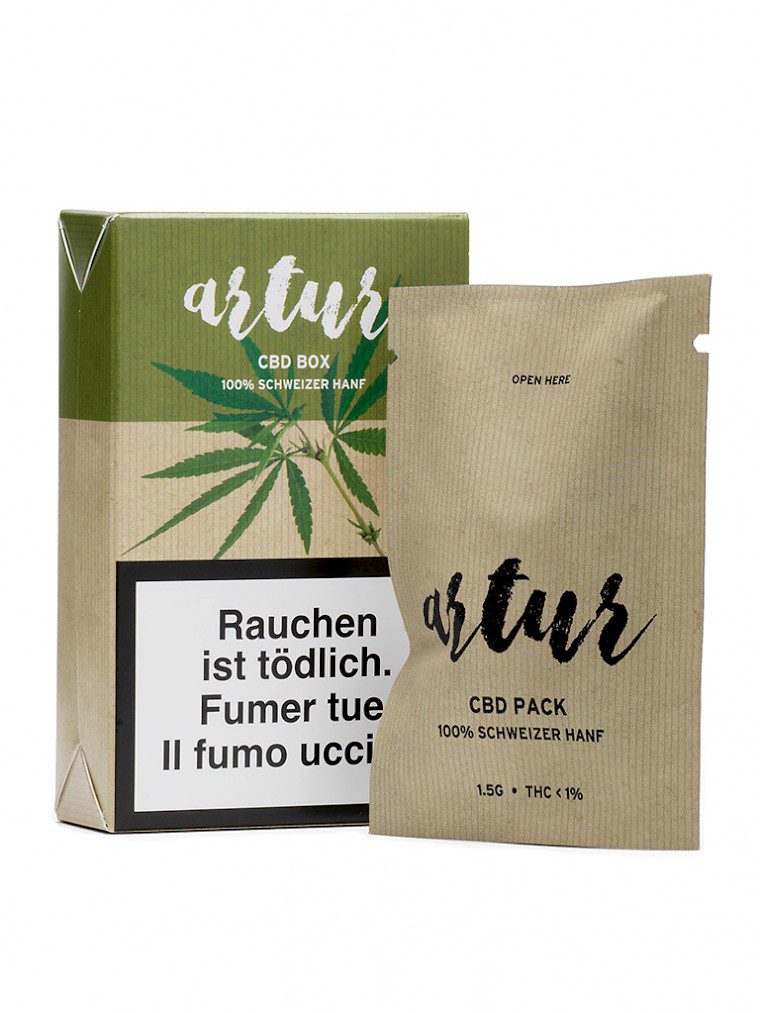
Lidl has decided to enter the Swiss cannabis market, selling light marijuana buds.
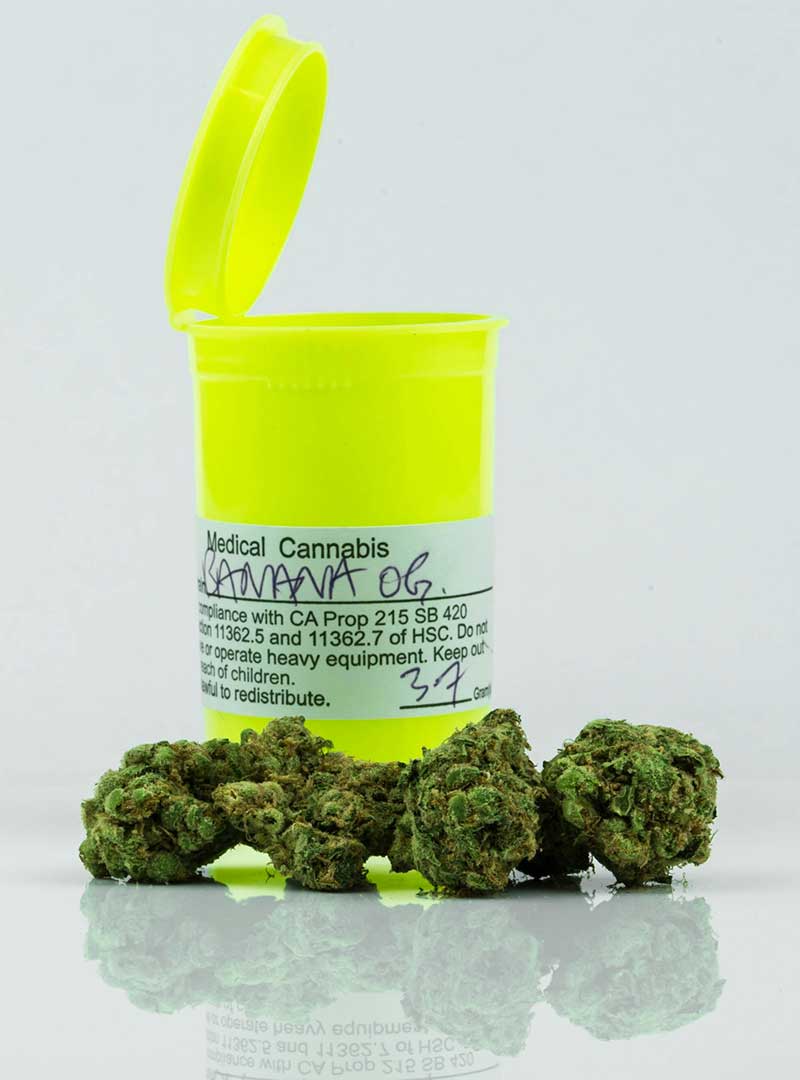
These are perfect varieties for relaxing, getting back to sleep or regaining your appetite, without getting high.