

Medical studies suggest that zinc and activated charcoal may help accelerate the elimination of THC from the body.
We have already addressed, to some extent, the million-dollar question of how to eliminate THC from the body in previous articles on our blog, such as Tips for Testing Negative in a Drug Test and How to Eliminate Cannabis from Your Body.
In this new article, we will complement those methods by examining these two additional substances or dietary supplements that may help speed up this challenging process.
How Is THC Stored in the Body?
THC is fat-soluble, meaning it dissolves in fat and is stored in the body's adipose (fat) tissues. For this reason, it can remain in the body for extended periods, especially in frequent or long-term users. Unlike water-soluble substances, which are quickly eliminated through urine, THC is released gradually as the body burns its fat reserves.
Therefore, the only truly effective way to eliminate THC completely is to stop consuming cannabis, allowing the liver and kidneys to process its metabolites (*). This natural process can take anywhere from a few days to more than 30 days, depending on your metabolism and frequency of use.
The basic steps that can help your body metabolize THC and eliminate it more effectively can be summarized as follows:
-
Stop using cannabis: This is the most important step. As long as you continue consuming cannabis, THC will continue to accumulate in your body.
-
Stay well hydrated: Drinking plenty of water (at least 2 liters per day) helps the kidneys eliminate THC metabolites through urine more efficiently.
-
Eat a high-fiber diet: Fiber promotes healthy bowel function, helping eliminate up to 35% of THC waste products that are excreted through the feces.
-
Engage in aerobic exercise: Regular physical activity burns body fat, releasing stored THC so that it can be processed and eliminated by the body.
Metabolite: Medical and pharmacological classification
In medicine and pharmacology, the term often refers to the byproduct remaining after the body breaks down a drug or chemical substance. The organ primarily responsible for this process is the liver, while elimination (excretion) occurs via the kidneys.
THC and Its Metabolism in the Body
Tetrahydrocannabinol (THC) is the primary psychoactive compound found in cannabis, responsible for the euphoric and relaxing effects experienced by many users. Once cannabis is consumed, as we have already explained, THC is metabolized by the liver into secondary compounds known as metabolites. The most common of these is THC-COOH, which is the metabolite detected in urine tests and other drug screenings.
The length of time THC metabolites remain in the body varies significantly depending on the type of drug test performed:
-
Saliva: Up to 48–72 hours.
-
Blood: Between 1 and 2 days.
-
Urine: From 3 to 30 days or longer.
-
Hair: Up to 90 days.
Zinc and Activated Charcoal: New Allies for Eliminating THC More Quickly
A 2011 study found that zinc can act as an effective urine adulterant, potentially leading to a false-negative drug test result.
The research suggests that taking oral zinc supplements after light cannabis use may interfere with the detection of THC metabolites in urine for approximately 12 to 18 hours.
Zinc supplements are widely available over the counter at pharmacies, health food stores, and nutrition retailers.
Therefore, if you are about to undergo a drug test or want an additional margin of safety, you may consider using this type of supplement. However, you should always consult your doctor or pharmacist first, especially if you take any medications on a regular basis.
Another method that may help prepare your body for a drug test is activated charcoal.
Activated charcoal is widely used in clinical settings to treat certain overdoses because it binds to a variety of substances, helping the body eliminate them.
This is possible because charcoal particles carry a negative electrical charge that attracts and binds to positively charged molecules from various substances, effectively trapping them.
This binding process also works with THC metabolites. These metabolites often circulate through the body in a process known as enterohepatic circulation, meaning they move from the bloodstream to the liver, into the bile, and then to the intestines before being reabsorbed back into the bloodstream.
This cycle repeats itself, and each time it does, some of the metabolites are excreted as waste through the liver and intestines before the remainder can be reabsorbed into the bloodstream.
Research published in 2013 showed that activated charcoal binds to the THC metabolites THC-COOH and THC-COO, preventing their reabsorption into the bloodstream and thereby accelerating their elimination from the body.
In short, this means that activated charcoal may help reduce the amount of time THC metabolites remain detectable during a drug test.
Ultimately, natural dietary supplements such as activated charcoal and zinc are widely available at health food stores, organic food shops, and through numerous online marketplaces, including Amazon, to name just one example.
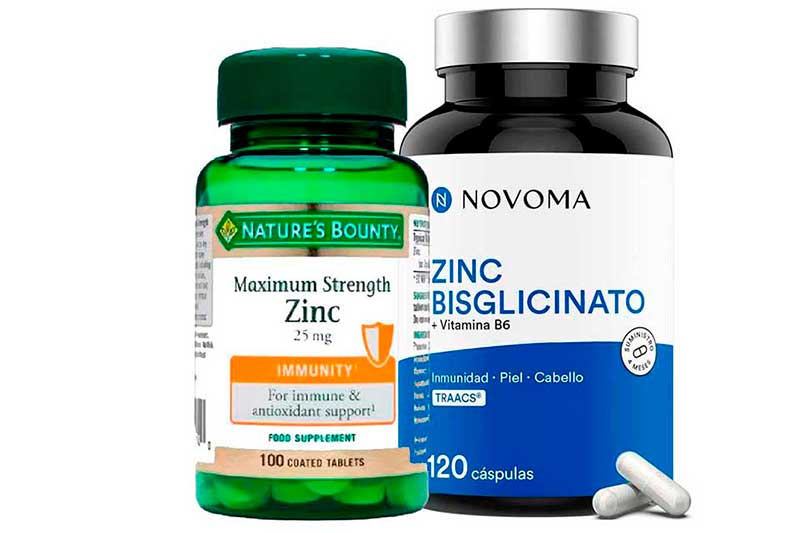
Oral zinc supplement consumption could interfere with the detection of THC metabolites in urine for 12–18 hours.
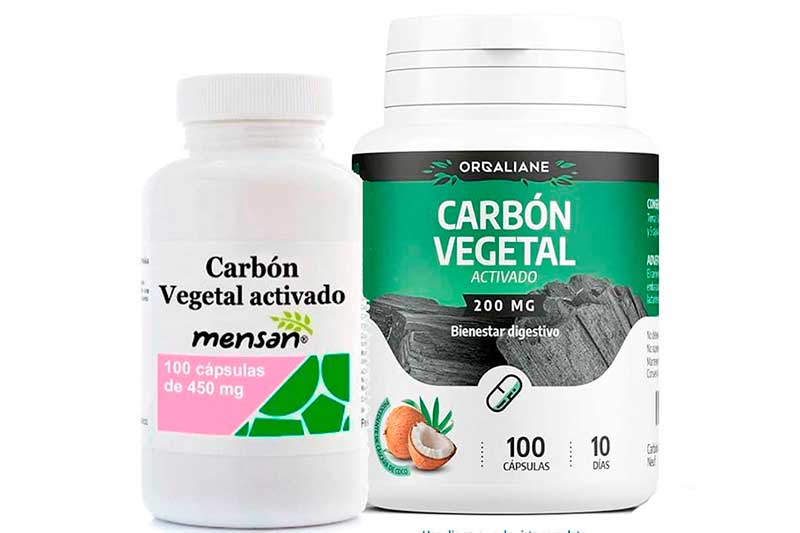
Activated charcoal is widely used for the clinical management of overdoses; it binds to various substances and helps the body eliminate them.