Barcelona attracts millions of visitors every year; visitors eager to experience firsthand its undeniable tourist appeal, stunning architecture, rich culture, and outstanding gastronomy—and perhaps, for some, something more.
Among these visitors are occasional travelers who, in addition to everything mentioned above, seek to complement their stay with an enjoyable and entertaining experience of the city's atmosphere and nightlife.
Our city has acquired a certain aura of permissiveness thanks to the growth of numerous Cannabis Social Clubs (CSCs) throughout its urban landscape. So-called cannabis tourism offers additional options for enthusiasts who wish to enjoy their favorite plant, including the opportunity to visit a CSC where they may consume cannabis.
It is true that Barcelona is home to many active cannabis social clubs (the best of all being MARISANA), as well as numerous stores specializing in cannabis-related products. The city also hosts several annual cannabis events. The most important of these was Spannabis, the largest cannabis trade fair in Spain and perhaps in all of Europe, which in its most recent editions has moved to Bilbao.
Barcelona is also home to the Hash Marihuana & Hemp Museum, which opened in the city in 2012 and was promoted by the renowned cannabis company Sensi Seeds. Located in the Gothic Quarter, the museum offers a detailed overview of the role of hemp and cannabis in societies around the world.
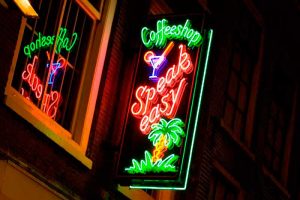
The big question is: How does Barcelona compare with Amsterdam? Which city is generally considered the cannabis capital of the world? One advantage Amsterdam has is its coffee shops, which tourists are free to visit. In Barcelona, tourists may access Cannabis Social Clubs, but only if they know how to find them, as these associations are not permitted to advertise their existence.
It is unlikely that this situation will change in the short term. Barcelona does not need to promote cannabis clubs for economic reasons, as it is already one of Europe's leading tourist destinations.
Cannabis associations in our city were created under the legal right to freedom of association and through strong cannabis activism supported by various progressive political movements and sectors of civil society.
CSCs allow cannabis consumption in private spaces. In the absence of specific national or regional regulations, their legal status remains somewhat ambiguous and is largely shaped by court rulings. As a result, private cannabis clubs operate within a legal gray area, collectively cultivating cannabis for up to 500 members who contribute through membership fees.
Consequently, tourists generally cannot obtain cannabis directly from these clubs unless they first become members and comply with all the association's rules and requirements, since smoking cannabis in public remains illegal in Spain and may result in fines.
Therefore, it is technically easier to consume cannabis in Amsterdam than in Barcelona. Spanish Cannabis Social Clubs do not advertise themselves, and without local knowledge they can be difficult for foreign visitors to locate.