

Following the path that brought cannabis to the Americas, we should cross the Atlantic to the coasts of Brazil. Once there, we would venture into the jungle, move on to Paraguay and Bolivia, and enter the Andean landscapes of Peru, Ecuador, and Colombia, continuing through Central America, Mexico, and the Caribbean, where the presence of cannabis is relatively recent, as it is in the United States and Canada, which in recent years have become major producers.
The Brazilian jungle of the Amazon River, or that of the Pantanal, where Mato Grosso gives way to Paraguay in areas of extreme poverty that push farmers toward illegal cultivation in order to survive.
In Bolivia, no traveler should miss the high plateau where the natural wonders of Lake Titicaca and the Uyuni Salt Flats stretch out. In the highlands of Bolivia and Peru, Indigenous people chew coca leaves to combat the lack of oxygen, and the cultivation of other psychoactive plant species is not uncommon.
Clandestine plantations from Colombia to Mexico
Ancient cultures have left their mark on the vast landscapes of the Andes. The Incas of Peru did so in Cuzco and in the agricultural laboratory of Machu Picchu, and also in Ecuador, which deserves to be explored along the Avenue of the Volcanoes, the high inter-Andean valley stretching more than 300 kilometers and home to seventy volcanoes, some of them still active.
The jungles press against the foothills of the Andes as they pass through Ecuador and Colombia. These are lands well suited to marijuana cultivation, which requires deforestation and causes enormous environmental damage.
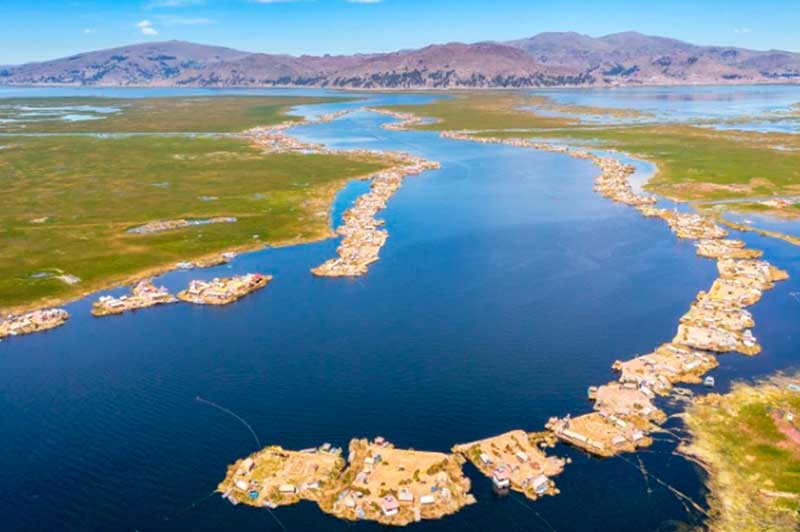
Lake Titicaca, the highest lake in the world, located between Bolivia and Peru, is a large natural and biosphere reserve.
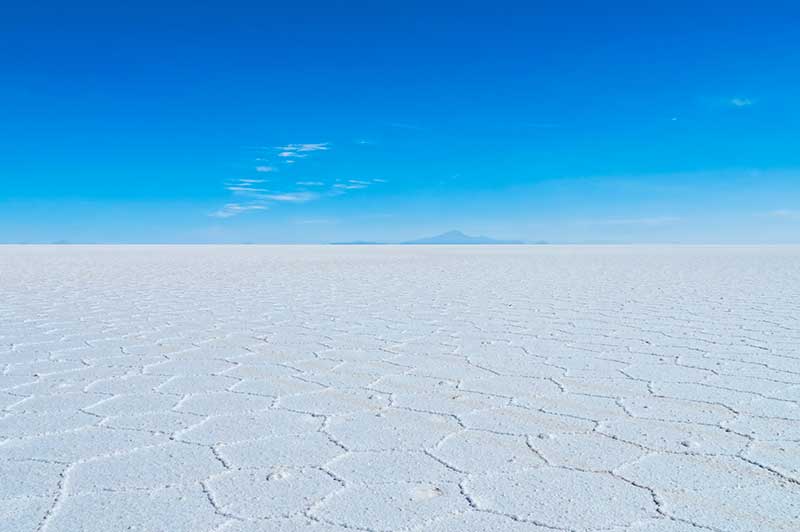
The Salar de Uyuni is the largest salt desert on Earth, with an area of 10,500 square kilometers.
On Colombia’s Pacific coast, clandestine plantations are hidden around the port of Tumaco in Nariño, near Chocó, an impenetrable jungle even more ferocious than the Amazon.
The Central American isthmus concentrates all the attractions of a great journey—mountain ranges, volcanoes, jungles, and beaches—sustaining overwhelming biodiversity and fertility. Its great cultural appeal lies in the remains of the Mayan civilization, with sites of utmost interest in remote Tikal in Guatemala and in the Mexican archaeological sites of Yucatán, along with the state of Chiapas, an important setting for illegal plantations.
The vanished Mesoamerican civilizations have left an extraordinary heritage in Mexico, a country where some communities still use marijuana in their rituals.
This is the case of the Tepehua people in the states of Veracruz and Hidalgo, and the Cora Indians of the state of Nayarit, at opposite ends of the Sierra Madre, who inhale smoke from the plant during their ceremonies.
Mexico is today one of the major producers of marijuana, mainly in the states of Sinaloa, Durango, Chihuahua, Guerrero, Chiapas, and Veracruz, areas that can be somewhat unsafe to travel due to drug trafficking.
In Panama, the Cuna Indigenous people continue to live in their archipelago with a high degree of autonomy in preserving their traditions, including the belief that cannabis is a “piece of God’s heart,” which is never absent from their rituals.
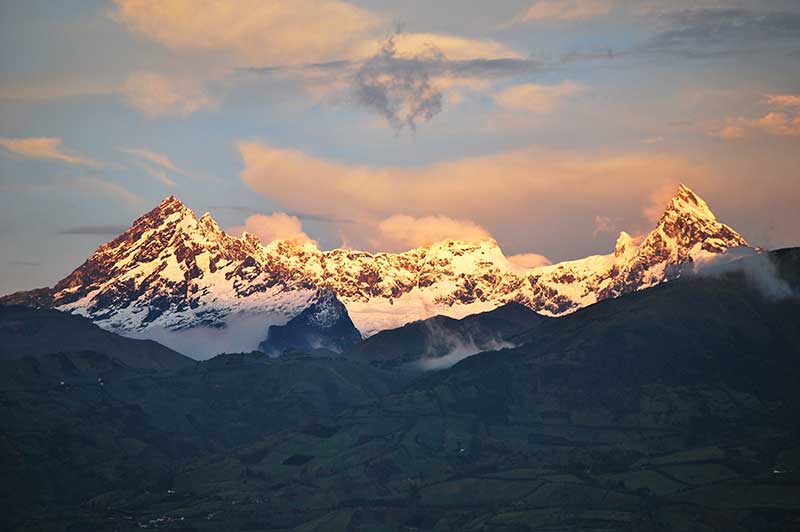
Ecuador deserves to be explored along the impressive Avenue of the Volcanoes. Dabit100 / David Torres Costales, CC BY-SA 3.0, via Wikimedia Commons

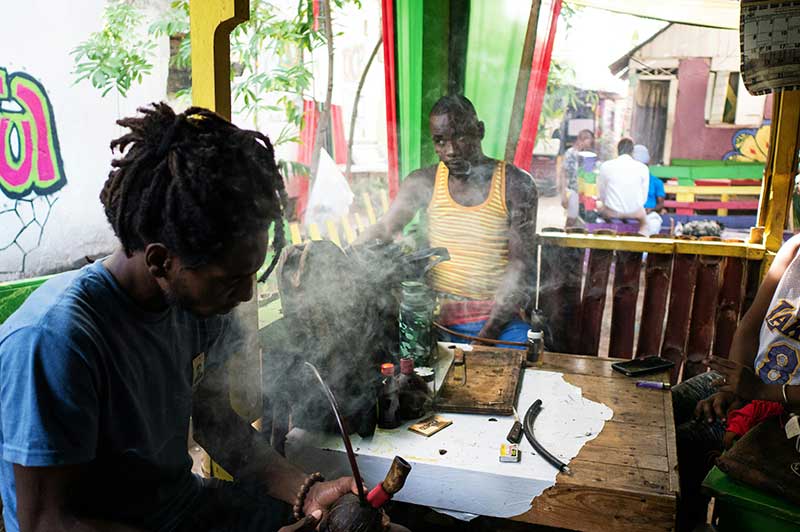
If there is one country directly associated with the presence of marijuana, it is the beautiful island of Jamaica. Photo by Nigel SB Photography on Unsplash